Culture is an expression of human society, and matters in a social relationship as it provides an enabling environment for building self-confidence and fostering an attitude of trust, solidarity, and peace.[1] There exist different cultures in a single society. One needs to have the ability to respect own as well as other’s cultures. Cultural tolerance means tolerating, nurturing, honoring, and preserving other racial or cultural ideas, beliefs, and actions contrary to one’s cultural ideology. It is giving acceptance to the differences of others without judgment. In other words, it is a respect for diversity and making peace possible. The world is a place of cultural diversity. The Universal Declaration on Cultural Diversity states that Cultural diversity is as important to humanity as biodiversity is to nature as a source of exchange, innovation, and creativity. In this sense, it is humanity's common heritage that should be recognized and upheld for the benefit of current and future generations.[2] Cultural tolerance is a much-needed principle in strengthening social cohesion and promoting greater solidarity around the world.
The notion that all beliefs, customs, and ethics are relative to the individual within his social context is known as cultural relativism. It states that no culture is superior to any other culture while comparing its morality, law, politics, etc. Cultural relativists believe that all cultures are valuable in and of themselves. All beliefs, values, and aesthetics are completely relative to the individual within a cultural identity. Cultural relativism can lead to cultural tolerance. It states that there is no right and wrong or good or bad in a diversity of cultures. One must be tolerant of cultural diversity to achieve cultural tolerance.
Cultural tolerance begins with self-awareness and an understanding of one's own cultural background, values, and beliefs. This self-awareness is crucial because it helps individuals recognize their biases and assumptions that may arise from their own cultural upbringing.
The next important step in fostering cultural tolerance is to refrain from passing judgment on the values and beliefs of people from different cultural backgrounds. Instead of imposing one's own cultural norms and standards as the universal benchmark, there should be a willingness to accept and respect the differences that exist among various cultures.
It's essential to acknowledge that discomfort might arise when encountering cultural practices or beliefs that differ from one's own. However, true cultural tolerance involves keeping an open mind and seeking to understand the perspective and context of others. For instance, the example of a Brahmin man feeling uncomfortable about a marriage practice common among the Magar community illustrates the need for acceptance of such cultural differences. In this scenario, cultural tolerance means recognizing that what may seem unusual or uncomfortable to one culture is a cherished tradition in another, and respecting that diversity is a fundamental aspect of a multicultural world.
Cultural tolerance is performed not only by individuals and society but even the law recognizes cultural differences and is tolerant. Legal multiculturalism holds that, in a society characterized by deep cultural pluralism, the role of the law is to operationalize a political commitment to multiculturalism by serving as custodian and wielder of the twin key tools of tolerance and accommodation.[3]
The constitution of Nepal (2072) is the fundamental document of Nepal where equality is a basic principle. The preamble of the Constitution of Nepal mentions protecting and promoting social and cultural solidarity, tolerance and harmony, and unity in diversity by recognizing the multi-ethnic, multi-lingual and multi-religious, multi-cultural, and diverse religious characteristics. Article 3 of the Constitution of Nepal mentions Nepal to be multiethnic, multilingual, multi-religious, and multicultural in characteristics. The people of Nepal having common aspirations and being united by a bond of allegiance to national independence, territorial integrity, national interest, and prosperity of Nepal, collectively constitute the nation.[4]
The principle of equality before the law applies to all citizens, and fundamental rights are enshrined to prevent any infringement of these rights by the state. In accordance with Article 18 of Nepal's Constitution, the right to equality extends to matters of religion and caste. Likewise, Article 26 mentions religious freedom where every person who has faith in religion shall have the freedom to profess, practice, and protect his or her religion according to his / her conviction.[5]
The recognition, protection, and respect towards religious and cultural freedom reflect religious and cultural tolerance. The Constitution of Nepal Article 32 provides the right to language and culture. Every person and community has the right to participate in the cultural life of their communities. This reflects the role of the constitution in implementing cultural tolerance. Every Nepalese community is provided with the right to preserve and promote culture, cultural civilization, and heritage.[6] All these constitutional provisions show the legal practice of tolerance. Article 24 of the constitution has stated the Right against untouchability and discrimination. No one should be treated with any kind of discrimination. All kinds of discrimination are punishable by law. No person shall be discriminated against for their caste, ethnicity, community, occupation, or economic background.
In cases where untouchability is observed in practice, penalties are enforced as a measure to address this issue. Additionally, discrimination between different cultural groups has been explicitly forbidden, and affirmative action has been implemented to promote equality. Various reservations and quotas have been established to uplift socially, politically, and economically marginalized communities.
These special provisions and reservations are designed to protect, empower, and foster the development of citizens who belong to socially or culturally disadvantaged groups. This includes women, Dalits, Indigenous people, Madhesi, Tharus, Muslims, laborers, senior citizens, and various other oppressed and underprivileged communities. The law has instituted these measures to rectify historical injustices and ensure that these marginalized groups have equal opportunities and representation in society.
The 'Pun Devi Maharjan v. Government of Nepal' case serves as a noteworthy example of cultural tolerance within Nepal. In this case, the petitioner had argued that the traditional practice of selecting a young child as a living goddess, known as 'kumari,' and imposing various social restrictions on her amounted to a violation of child rights. After a thorough examination, the court determined that the 'kumari' tradition held significant cultural and religious importance in the country.
While the court did implement certain reforms to address concerns related to this practice, it did not completely abolish it. The court's ruling was based on the premise that as long as the custom did not infringe upon fundamental rights, it should be regarded as an integral part of Nepalese culture. This decision reflects a balanced approach that respects cultural traditions while ensuring the protection of individual rights and freedoms. It demonstrates how cultural tolerance and the preservation of cultural practices can coexist within the legal framework.
Nepal is deeply rooted in its customs, traditions, and cultures, and these aspects are reflected in the legal system. For example, in contemporary Nepal, killing a cow is considered a crime due to the profound reverence for cows within Nepalese society. This sentiment is deeply ingrained, viewing cows as sacred beings. This belief is codified into law in Chapter 9 of the Muluki Ain Chaupayako Mahal, specifically addressing the punishment for cow slaughter.
In the case of Kumar Darji v. Nepal government, individuals were criminally charged and sentenced to 12 years in prison for killing a cow, as stipulated by the Muluki Ain 2020 Chapter on Quadruped (Chaupaya ko mahal). This case underscores the seriousness with which Nepal's legal system treats offenses related to cultural and religious beliefs.
Moreover, the Nepalese legal system also acknowledges and preserves customs and practices that are deeply rooted in certain communities. For instance, it allows marriage within ancestral lineages among communities such as Gurung, Limbus, and Rai. Similarly, polyandry is permitted in specific communities like the Sherpas. These exceptions demonstrate a legal framework that respects and accommodates diverse cultural practices, even if they deviate from international norms or the laws of other cultures.
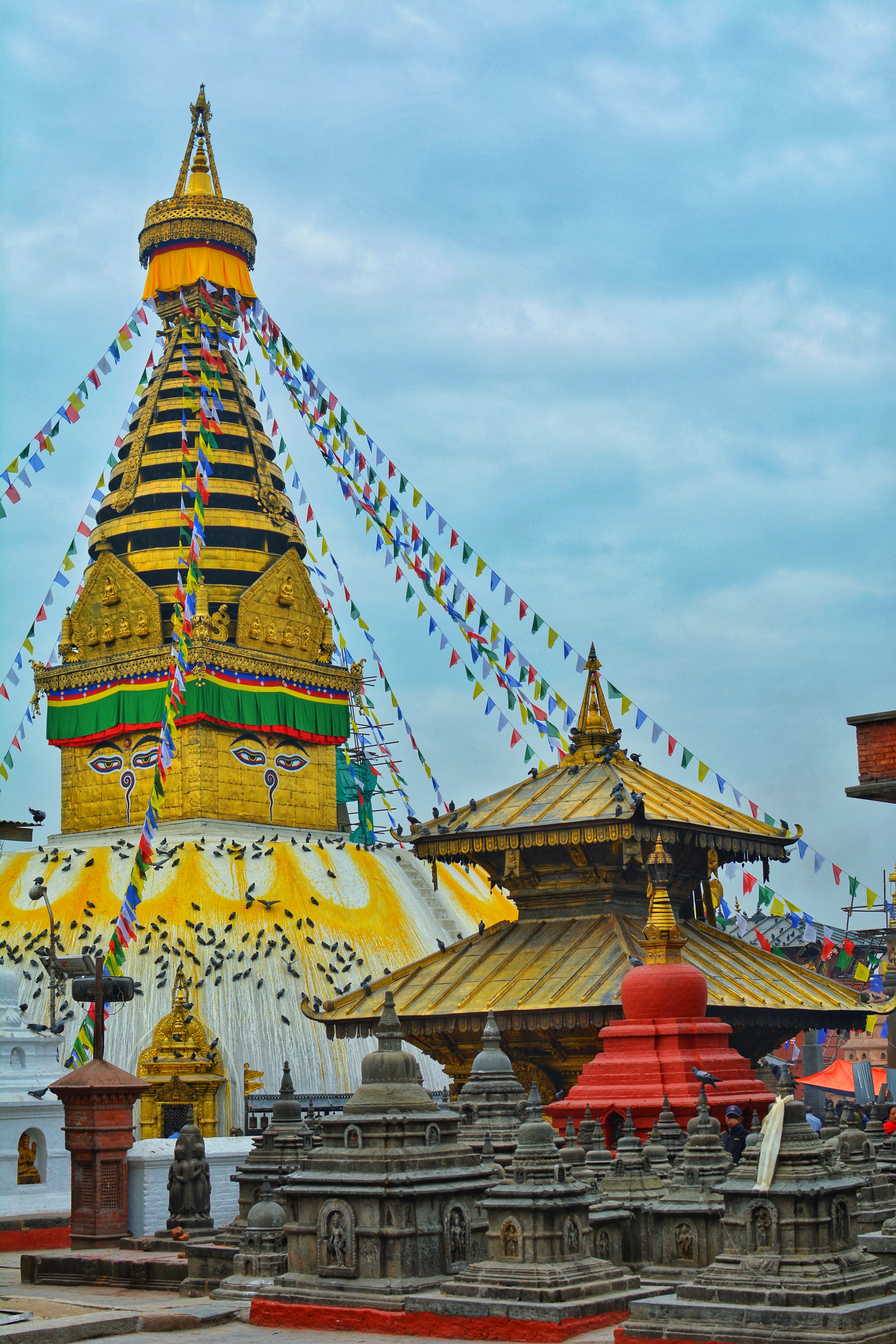
Nepal is multi-lingual and multi-ethnic. multi-religious and multi-cultural country. It is a tolerant country. Everyone has equal sitting and equal respect to each other. Nepal is considered to be a culture and religiously tolerant country for a long period. Various examples show Nepal to be a culturally tolerant nation. King Tribhuvan, a born Hindu King is the one who declared Buddha Jayanti as a national holiday of a Hindu kingdom in the past. Similarly, the Swayambhunath temple one of the UNESCO world heritage sites of Nepal consists of two statues one Buddhist and one Hindu together. Nepal is one of the countries that has not had a war in the name of culture and religion. Cultural tolerance is the basis for constitutional democracy.
In today's globalized world, inter-religious tolerance goes beyond the cooperation of religious believers alone; it involves the active participation of all members of society in promoting goodness. This commitment to tolerance is crucial for strengthening peace and stability worldwide.[7]To enhance social relations and prevent conflicts, it is imperative to establish a space for mutual understanding, negotiation, and tolerance that transcends the boundaries of religions, cultures, languages, and ethnicities.
Growing up in a diverse country like Nepal, one can witness numerous manifestations of cultural diversity. Simply walking along the streets of Kathmandu, you can observe people engaged in artistic practices at temples while hearing Christian congregations reciting verses in a church. Similarly, you may encounter Buddhists dressed in their traditional attire. It's the acceptance of cultural differences and the absence of cultural intolerance that fosters such harmony in a relatively small place like Nepal. This acceptance brings together people with diverse languages, practices, customs, beliefs, and values, ultimately promoting social harmony and unity.[8]
Therefore, in cases pertaining to issues such as sexual orientation, disability, political dissent, and often, religious individuals seeking protection from discrimination, constitutional rights have consistently played a pivotal role in achieving positive legal outcomes. This demonstrates that the principles of cultural tolerance are inherently embedded in the legal system itself.
Law, as a system, serves as an interpretative worldview consisting of symbols, thought categories, and specific behaviors that give meaning to human experiences. Within this framework, constitutional rights act as a guiding force, ensuring that individuals are protected and that their diverse backgrounds and beliefs are respected. As a result, the legal system serves as a cornerstone for promoting cultural tolerance and safeguarding the rights and dignity of all members of society.
[1] Ananda Aditya , ‘The Civil Socirty- State Interface in Nepal’,Friedrich Ebert Foundation, First edition 2011 p.77
[2] Universal Declaration on Cultural Diversity, 2 November 2001, Article 1
[3] Benjamin L. Berger The Cultural Limits of Legal Tolerance
[4] Nepal ko Samibhadh 2072, Constitution Of Nepal 2072 Article 3
[5] Nepal ko Samibhadh 2072, Constitution Of Nepal 2072 Article 26(1)
[6] Constitution Article 32(3)